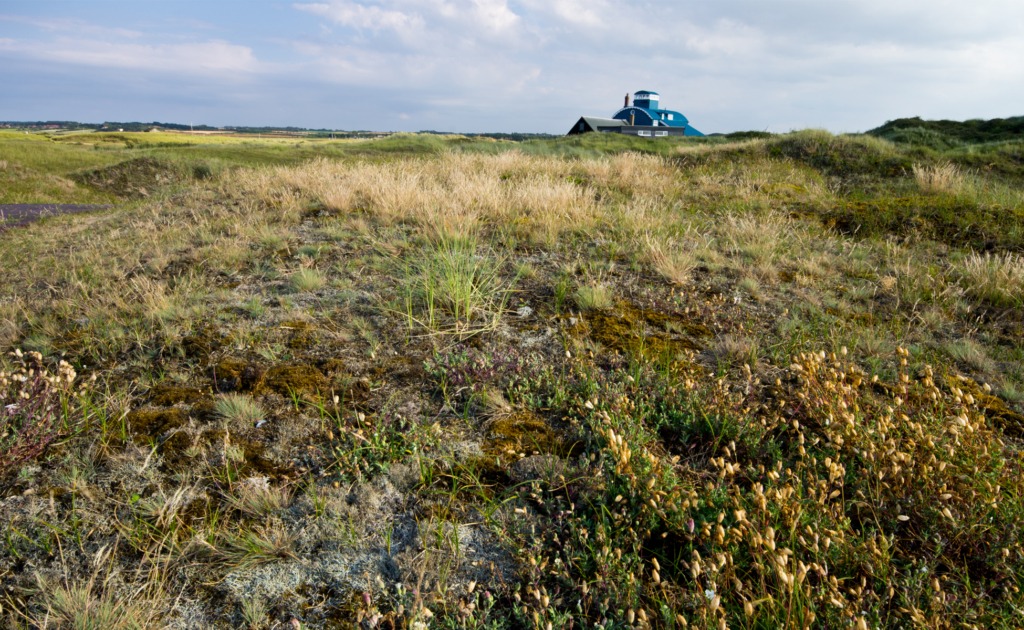
Saltmarsh at Blakeney Point

Saltmarsh is one of the defining habitats of the North Norfolk coast and an important part of the landscape around Blakeney Point.

Formed in sheltered coastal areas where fine sediments accumulate, saltmarsh is regularly flooded by seawater as the tide rises and exposed again as it falls. This creates demanding conditions in which only specially adapted plants can survive.

At Blakeney Point, the saltmarsh lies in sheltered areas behind the shingle of the Point, where the shingle helps reduce the direct force of waves and allows fine sediment to accumulate. This relationship between the shingle spit and the marsh is an important part of the development of the habitat.

The result is a constantly changing landscape of low vegetation, creeks, muddy channels and higher marsh, supporting a wide range of plants and wildlife.

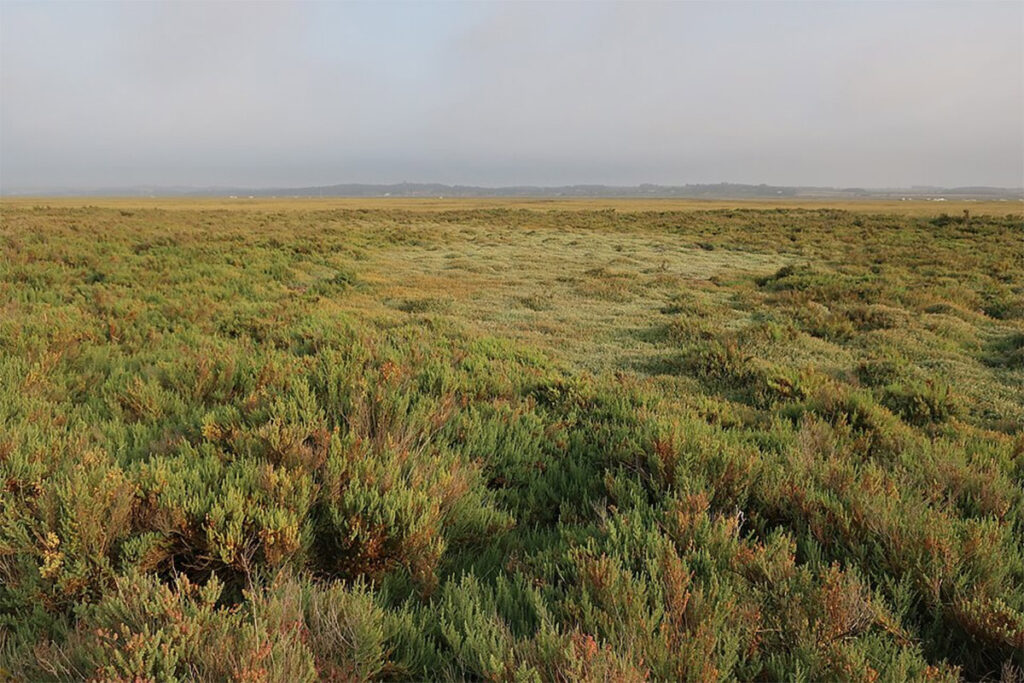
Saltmarsh - photo by Hugh Venables

What is saltmarsh?

Saltmarsh is coastal vegetation that grows on land regularly affected by seawater.

It usually develops between the intertidal mudflats and higher, less frequently flooded ground. As fine mud and sediment accumulate, plants adapted to saltwater begin to colonise the surface.

These plants trap additional sediment and help stabilise the developing marsh. Over time, the surface can become higher and is flooded less frequently, allowing different plant communities to establish.

At Blakeney Point, this process can be seen as part of the wider transition between mudflats, saltmarsh, shingle and sand.

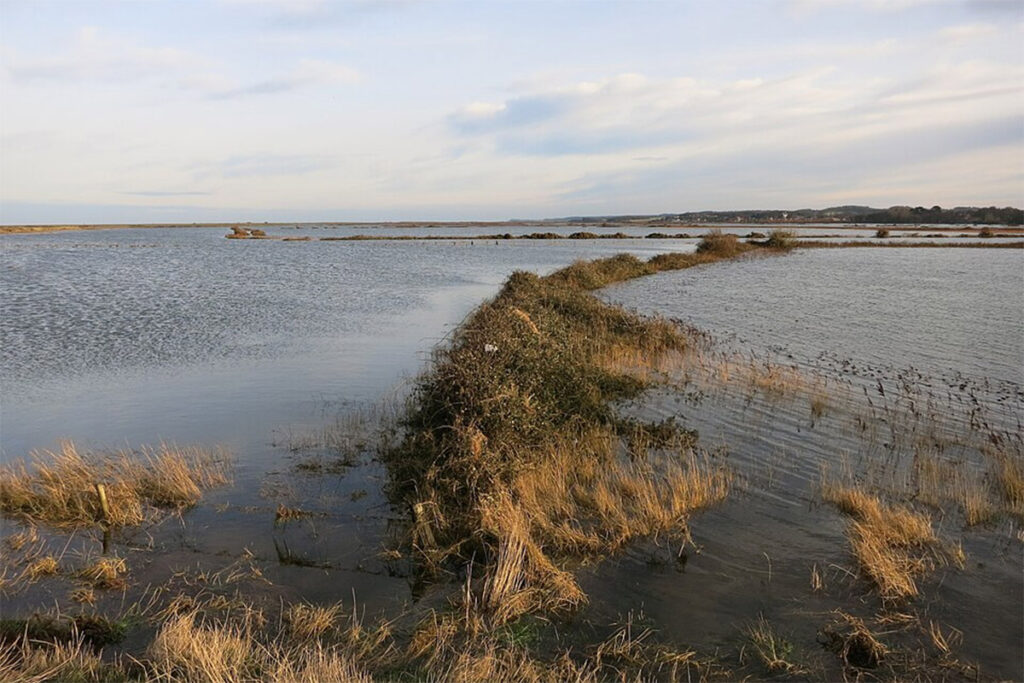
Blakeney Saltmarsh - photo by High Venables

Saltmarsh at Blakeney Point

The saltmarsh around Blakeney Point is closely associated with the shingle spit.

The shingle provides shelter from wave action, creating conditions in which mud and fine sediments can accumulate behind it. This has allowed extensive areas of saltmarsh to develop.

Historical studies of Blakeney Point describe the saltmarsh as developing in the lee of the shingle structure, while the Point itself continues to be influenced by the movement of shingle and coastal processes.

This makes the saltmarsh part of a much larger coastal system rather than an isolated habitat.

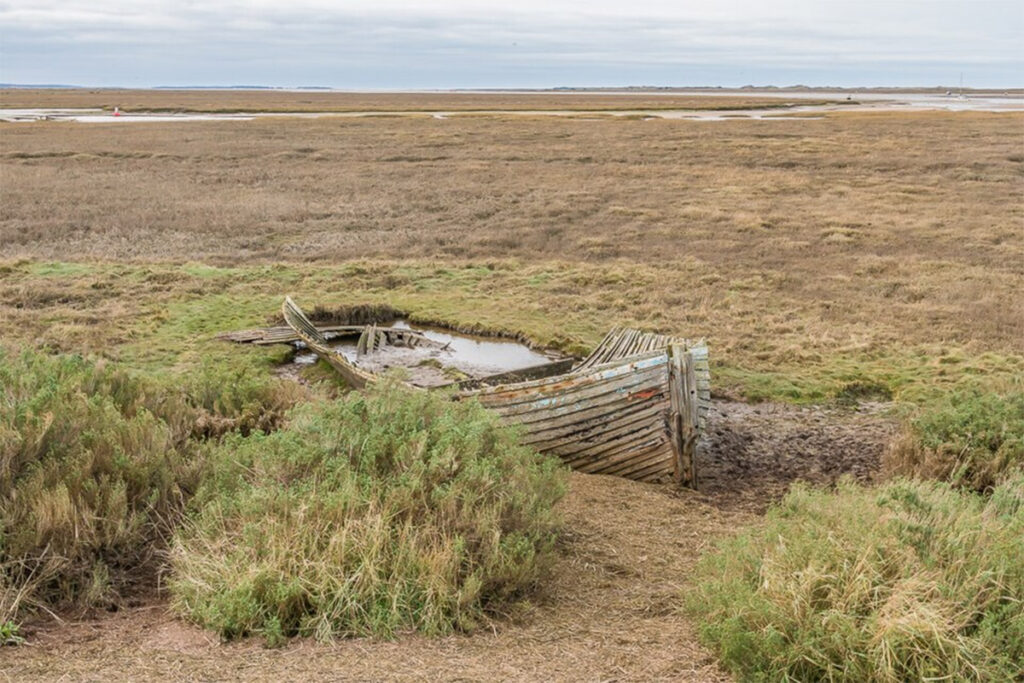
Saltmarsh Blakeney photo by Ian Capper

Saltmarsh creeks and channels

Look closely at a saltmarsh and you will see that it isn’t simply a flat expanse of vegetation.

A network of creeks and channels runs through the marsh.

These channels are important because they allow seawater to move through the saltmarsh as the tide rises and falls.

At high tide, seawater travels into the marsh through these channels. As the tide retreats, the channels drain the water back towards the estuary and sea.

This repeated flooding and drainage is one of the defining processes of saltmarsh.

Blakeney Saltmarsh Creek - photo by Hugh Venables

Samphire at Blakeney Point

Wild marsh samphire grows in abundance along the tidal creeks and salt marshes of Blakeney on the North Norfolk coast. It thrives in the waterlogged, salty mudflats around the Blakeney National Nature Reserve and local tidal creeks. You can buy freshly foraged local bunches from honesty boxes, bicycles, or stalls near the Blakeney Quay. For many people along the Norfolk coast, samphire is more than a seasonal ingredient. It is one of those small, salty pleasures that seems to belong completely to this place. Bright green, crisp and full of the flavour of the sea, it appears for just a few short weeks each summer – usually from June into early August – and then, almost as quickly, it is gone again.

For generations, samphire has been gathered and eaten along the Norfolk coast. Its naturally salty flavour pairs beautifully with local seafood, especially Cromer crab, grilled fish or simple new potatoes with butter.

Blakeney Samphire by Richard Law

Why is Blakeney Point saltmarsh important?

The saltmarsh is important because it supports a specialised community of plants and animals while forming part of a much larger coastal ecosystem.

It provides:

  • Habitat for salt-tolerant plants
  • Feeding areas for coastal birds
  • Cover for wildlife
  • Nursery habitat for some marine species
  • Areas for carbon storage
  • Natural coastal protection
  • Important transitions between mudflat, shingle and dune habitats


Coastal saltmarsh is recognised nationally as a priority habitat in the UK.

The North Norfolk coast is particularly notable for the combination of saltmarsh, mudflats, shingle, dunes and lagoons that occur together along the coast.

Ringed Plover at Blakeney in the Samphire
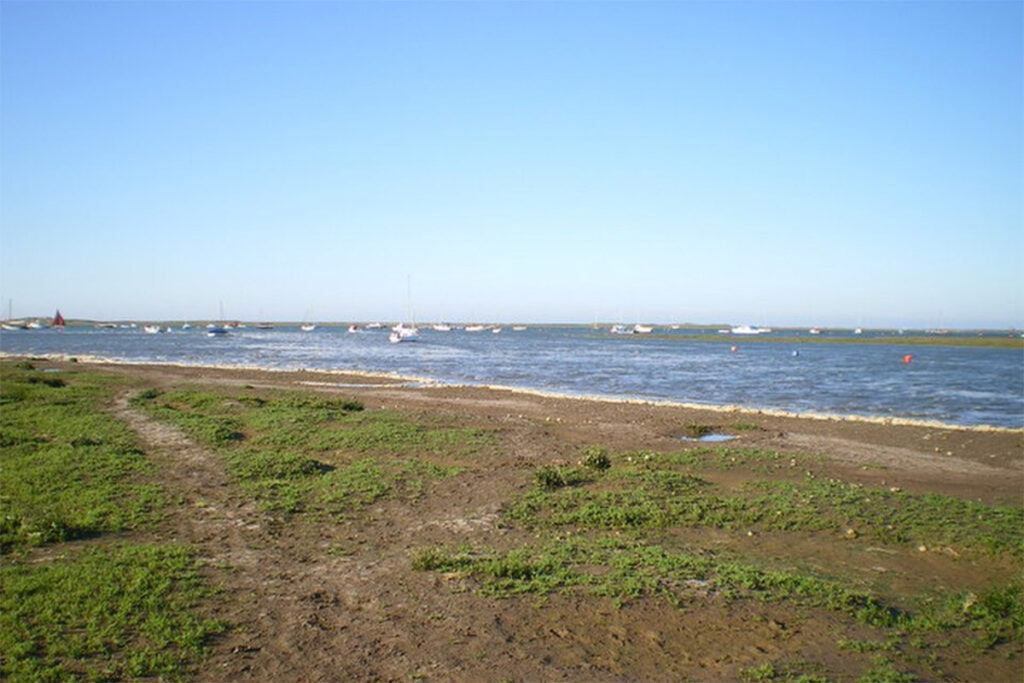
Footpath across Blakeney Marsh - photo credit Graham Hogg

Exploring the Saltmarsh with Bishops Boats

One of the best ways to appreciate the scale and character of the saltmarsh is from the water.

From a boat, the relationship between the shingle ridges, saltmarsh, creeks, mudflats and open sea becomes particularly clear.

The changing tide can also reveal completely different views of the landscape, while the surrounding habitat provides opportunities to see coastal birds and other wildlife.

alt=""
BOOK NOW